Spec Battle: Ninja Prestige Dualbrew System vs Bambu Lab P2S 3D Printer — Is It Worth Upgrading?
Introduction
The modern consumer landscape is defined by the pursuit of precision and convenience. Whether it is the perfect morning extraction or the rapid prototyping of a structural component, the tools we bring into our homes and workshops are increasingly sophisticated. Today, we delve into a comparison that highlights the divergent paths of domestic technology: the Ninja Prestige Dualbrew System and the Bambu Lab P2S 3D Printer. While one seeks to master the art of the bean and the other the science of thermoplastic extrusion, both represent the "Prestige" or "Pro" tier of their respective categories. This spec battle examines whether these cutting-edge iterations offer enough value to justify an upgrade from legacy equipment.
Upgrading electronics often involves navigating a sea of incremental improvements. For coffee enthusiasts, moving from a standard drip machine to a pressurized, multi-mode system like the Ninja Prestige is a shift toward versatility and cafe-quality customization. For makers and engineers, the transition to the Bambu Lab P2S—a successor to a lineage of high-speed, reliable motion systems—is about reducing downtime and increasing successful output. In this detailed analysis, we break down the engineering, the user experience, and the real-world utility of both devices to determine if they earn their footprint in your environment.
Advanced Beverage Engineering: The Ninja Prestige Dualbrew System
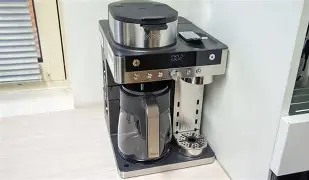
The Ninja Prestige Dualbrew System is a testament to the "All-in-One" philosophy. In previous years, a kitchen required a dedicated drip coffee maker for volume and a separate pod machine for speed. The Prestige line merges these two vastly different plumbing requirements into a single, high-pressure chassis. What sets this specific model apart is the Thermal Flavor Extraction DUO technology. This system doesn't just saturate grounds; it manages the blooming phase and the saturation pressure depending on whether the user is using a K-Cup or loose grounds.
Buyers typically care about three things in a high-end coffee system: temperature consistency, speed of delivery, and cleaning maintenance. The Ninja Prestige addresses these with a built-in Fold-Away Frother and a multi-stream showerhead. The showerhead is critical; it ensures that the water is distributed evenly across the coffee bed, preventing "channeling" where water finds a path of least resistance and leaves half the grounds under-extracted. The inclusion of an independent hot water dispenser—separate from the coffee path—solves the age-old problem of "coffee-flavored" tea, a technical detail that highlights the machine's premium positioning.
The Real-World Use Case: The Busy Professional Household
Imagine a Tuesday morning where one resident needs a travel mug of bold dark roast for a commute, while another wants a quick latte-style beverage before a remote meeting. The Ninja Prestige shines here because its "Dualbrew" nature allows for a seamless transition from a 12-cup carafe to a single pod in seconds. The upgrade value here is found in the reclaimed counter space and the ability to customize brew styles (Classic, Rich, Over Ice, or Specialty) without owning four different machines.
Rapid Prototyping Evolution: The Bambu Lab P2S 3D Printer
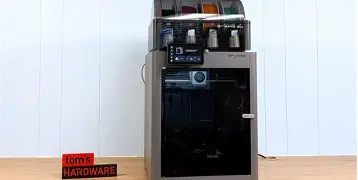
In the world of additive manufacturing, the name Bambu Lab has become synonymous with "CoreXY" speed and "out-of-the-box" reliability. The P2S represents an iterative but vital leap forward from the earlier P1 and X1 series. While the fundamental kinematics remain similar, the P2S focuses on the vulnerabilities of high-speed printing: cooling, chamber temperature management, and component longevity. 3D printing is no longer just for hobbyists making trinkets; with the P2S, the focus is on engineering-grade materials like Nylon and Carbon Fiber-filled filaments.
The P2S features a fully enclosed chamber, which is a mandatory requirement for serious upgrades. Heat creep and warping are the enemies of precision, and by including an active carbon filter and a high-efficiency auxiliary fan, the P2S allows users to print complex geometries that would fail on an open-frame printer. Furthermore, the "S" designation in this series often points to refined sensor integration, such as improved vibration compensation and auto-bed leveling that operates with a higher sampling frequency. For a user upgrading from an older "bed-slinger" style printer, the jump in speed—often up to 500mm/s—is a transformative experience.
Shop the latest Electronics picks on Amazon.
View Offers →The Real-World Use Case: The Small Business Laboratory
Consider a product designer who needs to iterate on a mechanical hinge. On a traditional printer, a 10-hour print might fail due to a slight draft in the room or a bed that wasn't perfectly leveled. With the Bambu Lab P2S, that same part prints in 3 hours with a near-zero failure rate thanks to the AI-driven monitoring and the stable internal environment. The upgrade isn't just about speed; it is about the reliability of the workflow.
Pros & Cons Comparison
Ninja Prestige Dualbrew System
- Pro: Incredible versatility with both grounds and pods, eliminating the need for multiple machines.
- Pro: Specialty brew settings allow for concentrated extractions perfect for lattes and cappuccinos.
- Pro: The "Boil and Brew" system ensures water hits the grounds at the optimal 195-205 degree Fahrenheit range.
- Pro: Smart Sensing technology automatically adjusts the display options based on which brew basket is inserted.
- Con: The footprint is relatively large for smaller kitchen counters compared to a basic Keurig.
- Con: The frother is built-in but does not heat the milk, requiring a separate step if you want hot foam.
Bambu Lab P2S 3D Printer
- Pro: Industry-leading print speeds that significantly reduce the "time-to-part" for engineers.
- Pro: Fully enclosed chamber enables the use of advanced materials like ABS, ASA, and Polycarbonate.
- Pro: The Bambu Handy app and Bambu Studio software provide a seamless, cloud-integrated ecosystem.
- Pro: Automatic Filament Management System (AMS) compatibility allows for multi-color and multi-material prints.
- Con: The proprietary nature of some replacement parts can make independent repairs more difficult than open-source machines.
- Con: High-speed fans and motion can make the machine quite loud during intensive operations.
Technical Specifications Table
| Feature | Ninja Prestige Dualbrew | Bambu Lab P2S 3D Printer |
|---|---|---|
| Core Function | Multi-mode Liquid Extraction | Fused Deposition Modeling (FDM) |
| Input Type | K-Cup Pods / Ground Coffee | 1.75mm Filament (PLA, PETG, ABS, PA, etc.) |
| Operating Temperature | 200°F (Water) | Up to 300°C (Nozzle) / 100°C (Bed) |
| Key Technology | Thermal Flavor Extraction DUO | CoreXY High-Speed Motion System |
| Interface | Digital Touch Display | Full-Color LCD / Smartphone App |
| Maintenance | Descaling / Removable Parts | Nozzle Cleaning / Rod Lubrication |
Deep Analysis: Why Upgrade Now?
When we look at the Ninja Prestige Dualbrew System, the upgrade logic is centered on the shift from quantity to quality and variety. Older drip machines often suffered from "stale water" issues because of large internal reservoirs that were hard to clean. The Prestige uses a thermal carafe or direct-to-cup path that minimizes heat loss. If you are currently using a basic coffee maker, you are likely missing out on the "bloom" phase—a process where the machine pre-wets the grounds to release CO2. Upgrading to the Prestige means you are essentially hiring a digital barista that understands the chemistry of extraction better than a simple heating element ever could.
On the other hand, the Bambu Lab P2S represents a shift in the 3D printing paradigm from "tinkering" to "producing." Early 3D printers were projects in themselves; you spent 50% of your time fixing the tool and 50% using it. The P2S flips that ratio to 95% usage. The inclusion of a robust hotend and a refined extruder means that jams—the primary frustration of all 3D printer owners—are marginalized. If you are upgrading from an older V-slot wheel printer (like an Ender series), the P2S feels like moving from a moped to a Tesla. Everything is automated, everything is faster, and the results are consistently professional.
Buying Guide: Identifying Your Needs
Before committing to either of these high-end electronics, users should evaluate their specific operational requirements. A "Prestige" or "Pro" level device is only worth the investment if the advanced features solve a recurring pain point in your daily rhythm.
1. Assess Your Frequency of Use
If you only drink coffee on the weekends, the Ninja Prestige might be overkill. However, for a daily drinker who values the difference between a Colombian roast and a Sumatran blend, the precision of the Ninja’s temperature control will be noticeable. Similarly, if you only print one 3D model a month, the high-speed P2S may be an unnecessary expense. But for those running a "print farm" or a design studio, the time saved per print will pay for the machine in labor costs alone within months.
2. Space and Environment
High-end electronics often require specific environmental conditions. The Ninja Prestige needs vertical clearance for its top-loading reservoir and pod chamber. Make sure to measure your under-cabinet height. The Bambu Lab P2S, being enclosed, handles ambient temperature well, but it does require a stable, heavy surface. Because it moves so fast, a flimsy desk will vibrate, potentially introducing artifacts into your prints. Ensure you have a dedicated "power spot" for these machines.
Looking for the best Electronics deals on Amazon?
See Deals →3. The Learning Curve
One of the best things about modern electronics is the "UX" (User Experience) design. The Ninja Prestige is incredibly intuitive, using physical dials and clear labels. The Bambu Lab P2S, while complex under the hood, uses the "Slicer" software to do the heavy lifting. If you are someone who hates troubleshooting, both of these machines are excellent upgrades because they are designed to be "plug-and-play."
The Evolution of Domestic Technology
The common thread between the Ninja Prestige and the Bambu Lab P2S is the democratization of high-end capabilities. Ten years ago, the level of precision found in the Ninja Prestige was reserved for commercial espresso boutiques costing thousands of dollars. Similarly, the speed and material versatility of the Bambu Lab P2S were only found in industrial Additive Manufacturing centers. Today, these "Prestige" electronics bring that power into the home.
When we ask "Is it worth upgrading?", we are essentially asking if the reduction in friction is worth the price. Friction in the kitchen is a messy counter and a mediocre cup of joe. Friction in the workshop is a failed part after sixteen hours of waiting. By investing in these refined systems, the user is buying back time and eliminating the "fudge factor" associated with lower-end models.
Conclusion
The Ninja Prestige Dualbrew System and the Bambu Lab P2S 3D Printer may exist in different aisles of the electronics store, but they share a DNA of efficiency and excellence. The Ninja Prestige is the ultimate upgrade for those who want to turn their kitchen into a versatile beverage station without the complexity of a manual espresso machine. It respects the bean, the water, and the user’s time with equal measure.
The Bambu Lab P2S is a definitive upgrade for the maker who is tired of the "failed print" lottery. It offers a professional-grade enclosure and speeds that were unthinkable in the consumer space just five years ago. Whether you are brewing a morning pick-me-up or extruding a prototype for a new invention, these two devices represent the peak of current consumer electronics. If your current equipment feels like it’s holding back your creativity or your morning routine, the jump to "Prestige" level hardware is not just a luxury—it’s a move toward a more precise and productive lifestyle.