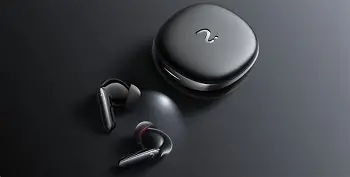
Should You Upgrade from Viaim Recdot Earbuds to Rode Podmic?
Category: Audio
Introduction
Prospective buyers who already own a pair of affordable in-ear earbuds like the Viaim Recdot often ask whether moving to a broadcast microphone such as the Rode PodMic counts as an “upgrade.” At first glance the question can sound odd: earbuds are listening devices, and the PodMic is a purpose-built microphone. Yet many creators, remote workers, and hobbyists consider hardware changes to improve the quality of their audio presence—whether for podcasting, streaming, voice calls, or music production. This article takes an objective look at both products and helps readers decide when swapping or adding a Rode PodMic makes sense, what additional gear is required, and how real-world use cases affect the decision.
Quick framing: what each product is for
The Viaim Recdot earbuds are consumer-focused in-ear headphones intended for everyday listening and on-the-go use: music, podcasts, casual calls, and hands-free smartphone interactions. They prioritize portability, convenience, and wireless operation.
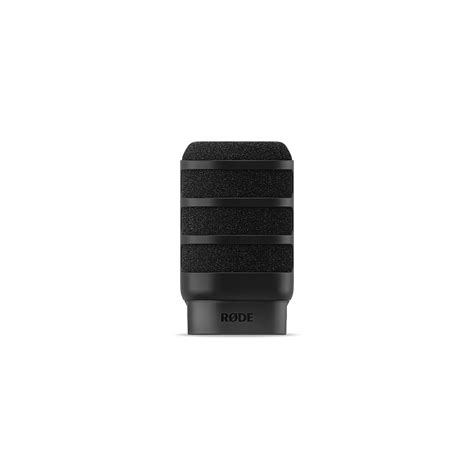
The Rode PodMic, by contrast, is a dynamic broadcast microphone designed primarily for spoken-word capture—podcasts, voiceovers, streaming, and broadcast applications. It aims to capture clear, present vocals while rejecting room noise, and it integrates into pro audio setups via XLR connections.
Detailed product analysis
Viaim Recdot Earbuds — what they deliver and where they fit
These earbuds are aimed at listeners who value compactness, simple setup, and wireless convenience. For daily commuters, casual listeners, and people who take frequent voice calls, a pair of earbuds like the Recdot covers the essentials: decent tonal balance for popular music genres, built-in microphone(s) for phone calls, and battery-powered portability.
What buyers typically care about with earbuds:
- Comfort and fit for long listening sessions and workouts
- Bluetooth pairing stability and ease of use with phones and tablets
- Battery life and the convenience of a charging case
- Call quality for meetings and hands-free phone use
- Value—performance relative to price
In real-world use, earbuds shine when mobility matters. They are convenient for walking, commuting, and quick voice calls. For most listeners who want a simple, all-in-one listening/calling solution, earbuds are adequate and sometimes preferable to larger, fixed hardware.
Rode PodMic — what it delivers and where it fits
The Rode PodMic is a purpose-built tool for capturing high-quality spoken-word audio. Its design emphasizes vocal clarity, controlled proximity effect, and durability for studio or desktop use. The PodMic is not a portable, battery-powered consumer device; it’s a component in a recording chain that typically includes an audio interface, mixer, or USB converter and a set of headphones for monitoring.
For buyers considering the PodMic, common priorities include:
Find top-rated Audio & Headphones products at great prices.
See Deals →- Speech intelligibility and presence—how well the voice cuts through in mixes
- Build quality for long-term use
- Compatibility with pro audio gear (XLR, balanced outputs)
- Ability to reject ambient noise in untreated rooms
- Value as a studio microphone for livestreaming, podcasting, and voiceover
In practical scenarios, the PodMic is used in a fixed location: a home studio, podcast booth, or streaming desk. It becomes part of a workflow that prioritizes audio capture over mobility. Anyone serious about on-platform audio quality (podcasts, interviews, professional streams) will notice a meaningful improvement over built-in laptop mics or typical headset mics.
Pros & Cons
Viaim Recdot Earbuds
- Pros: Highly portable; simple to use with phones; integrated mic for casual calls; generally affordable; convenient for travel and exercise.
- Cons: Limited recording quality for professional voice work; small drivers and passive isolation that impact bass and soundstage; battery dependence; calls can sound thin in noisy environments.
Rode PodMic
- Pros: Tailored for broadcast-quality speech; robust build and professional XLR connectivity; strong off-axis rejection and present midrange for voice; long-term reliability for studio setups.
- Cons: Not portable—requires an interface/mixer and cabling; does not function alone with phones without adapters; higher total system cost when accessories are included; less useful for casual listening or mobile use.
Comparison table
| Feature | Viaim Recdot Earbuds | Rode PodMic |
|---|---|---|
| Primary purpose | Listening on the go, phone calls, casual media | Studio/desktop spoken-word recording (podcasts, streaming) |
| Connection | Bluetooth (wireless) or 3.5mm on some models | XLR (balanced) — requires audio interface or mixer |
| Portability | Very high (compact, battery-powered) | Low (stationary, requires external gear) |
| Ease of setup | Plug-and-play with phones/tablets | Requires audio interface/mixer and monitoring headphones |
| Ideal use cases | Commuting, exercise, casual calls, mobile content consumption | Podcasting, streaming, voiceover, interview recording |
| Noise rejection | Limited—microphones pick up ambient sound | Good—dynamic design rejects room noise and background |
| Monitoring | Built-in or companion app monitoring via device | Requires separate headphones for zero-latency monitoring |
| Total system cost | Low (earbuds only) | Moderate to high (mic + interface + cables + stand) |
Real-world scenarios: when the switch makes sense
It helps to consider specific, real-world use cases rather than treating the move as a simple hardware "upgrade." Here are common scenarios and recommended approaches.
1. Casual listener and phone/video calls
If most of the user’s time is spent listening to music, podcasts, or taking calls on the go, the Viaim Recdot earbuds are likely the better choice. They are convenient, quick to pair, and require no secondary equipment. Upgrading to a PodMic in this case would not improve the user's daily mobile experience and may introduce friction because the microphone is designed for stationary setups.
2. Streamer or podcaster starting out
For anyone building a podcast or streaming channel and who currently relies on laptop mics, headset mics, or earbuds for capture, adding a PodMic is a meaningful step up. The microphone’s voice-forward response and off-axis rejection provide clearer, more professional-sounding vocals. However, the PodMic should be seen as part of a system. Expect to invest in an audio interface or mixer, proper mic stand or boom arm, XLR cable, and headphones for monitoring. The combination will deliver a visible improvement in perceived audio quality to listeners.
3. Hybrid worker who needs both mobility and good meeting audio
Users who move between office and home and need both mobility and better call audio may benefit from keeping earbuds for travel and adding the PodMic at the desktop. The two are complementary: earbuds for mobile use, PodMic for focused desk recording. In this blended workflow, the PodMic is not a replacement but an upgrade for desktop vocal quality.
4. Voiceover artists and content professionals
For creators who record voiceover or long-form spoken content, the PodMic can be a cost-effective studio mic. Its dynamic character is forgiving in less-than-perfect acoustic spaces. That said, professionals with access to treated rooms may prefer condenser microphones for a different tonal palette. The PodMic remains a robust option when the goal is reliable, broadcast-friendly voice capture.
Practical considerations and required accessories
Anyone considering the PodMic should be aware of the supporting gear and environment needed to realize its benefits.
- Audio interface or mixer: The PodMic uses an XLR connection and requires a device that provides preamp gain and balanced inputs. Simple USB interfaces and small-format mixers are common choices.
- Headphones for monitoring: Real-time monitoring avoids surprises such as clipping, plosive sounds, or background noise. Closed-back studio headphones are typical.
- Mic stand or boom arm and shock mount: Placing the mic correctly and minimizing desk vibrations produces a more consistent sound.
- Pop filter and positioning: Although many broadcast mics include internal wind protection, proper placement and an external pop filter can reduce plosives and sibilance.
- Acoustic treatment: The PodMic's dynamic nature helps reject room noise, but very reflective rooms will still color recordings. Basic acoustic treatment or a portable vocal shield can help.
- Compatibility with mobile devices: Connecting the PodMic directly to a phone requires an audio interface that supports mobile connections or a dedicated USB adapter; it’s not plug-and-play with most smartphones.
Buying guide: how to decide
When choosing between sticking with the Viaim Recdot earbuds, adding a Rode PodMic, or using both, buyers should answer a few straightforward questions.
1. What is the primary use case?
If the priority is mobility and casual listening, earbuds remain the correct choice. If the priority is improving recorded spoken-word audio—podcasting, streaming, interviews, or voiceovers—a dedicated broadcast microphone such as the PodMic will provide measurable gains.
Discover deals on Audio & Headphones — updated daily.
Browse Now →2. Is the listener prepared to invest in a recording chain?
The microphone alone is not sufficient. Factor in the cost and learning curve of an interface, cabling, stands, and monitoring headphones. If the budget and willingness to learn are present, the PodMic unlocks professional workflows; otherwise, the earbuds are lower-friction.
3. How much does the room matter?
Recording in a very noisy or highly reflective room reduces the effectiveness of any mic. The PodMic’s dynamic design helps mitigate some problems, but minimal acoustic treatment or clever placement will improve results more than an unassisted upgrade alone.
4. Does convenience trump audio fidelity?
For people who value “out-of-the-box” convenience, earbuds win. For people who prioritize listeners’ perception of professionalism, a PodMic-based setup will move the needle significantly.
5. Is future growth expected?
If the user plans to scale their content, invite remote guests, or pursue monetization, investing in a good microphone and learnable recording workflow is forward-looking. For one-off use or infrequent calls, it’s likely overkill.
Alternatives and complementary gear
Finally, consider that an either/or approach is not always necessary. A hybrid setup is common: earbuds for travel and phone calls, together with a PodMic at the desk for content creation. Alternatives that might fit different budgets or needs include USB condenser microphones (easy to use, good for treated rooms) or higher-end headset options if gaming and mobility are both critical.
- USB dynamic/condensor mics — easier to use than XLR setups but less flexible in the long term
- Audio interfaces with integrated features like phone connectivity or zero-latency monitoring — reduces complexity
- Higher-end in-ear monitors or wired headphones for better monitoring during recordings
Conclusion
Upgrading from Viaim Recdot earbuds to a Rode PodMic is not a straightforward replacement; it is a shift in purpose. For mobility and everyday listening, earbuds remain the practical choice. For creators focused on improving recorded voice quality—podcasters, streamers, and content professionals—the PodMic is a worthwhile investment, provided the buyer accepts the extra cost and setup complexity of an audio interface, monitoring headphones, and mounting accessories.
In many real-world workflows the best outcome is complementary: keep the earbuds for portable listening and daily calls, add the PodMic for studio-grade vocal capture when producing content. When evaluated against the buyer’s needs—use case, budget, space, and willingness to learn—this approach ensures the right tool is used for the right job, and that an “upgrade” actually delivers the improvements the user wants.