Don't Buy the Netac Zx20 Ii Portable Ssd Until You Read This Full Analysis
Introduction
The Netac Zx20 Ii Portable SSD has appeared in retailer listings and social feeds as a budget-focused external drive promising fast transfers and compact portability. For shoppers balancing performance, price, and long-term reliability, portable SSDs are attractive—but not every model delivers consistently in real-world use. This analysis walks through what buyers should know about the Zx20 Ii specifically and portable SSDs in general: advertised specifications, likely strengths, common weaknesses, and the purchase trade-offs people care about in daily workflows such as photo/video production, system backups, gaming, and travel.
What the Zx20 Ii Claims — and what that means
Netac positions the Zx20 Ii as a compact, USB-C portable SSD aimed at consumers who want NVMe-like performance without a premium brand price. The headline claims you will see (on packaging and product listings) typically emphasize fast sequential read/write speeds, plug-and-play compatibility with Windows, macOS, and mobile devices, and multiple capacity options.
It is important to separate manufacturer marketing from real-world results. Advertised “up to” numbers are useful to compare theoretical maximum transfer rates under ideal conditions (short bursts, an optimal host controller, and clean thermal environment). Real workflows—like multi-gigabyte video exports, prolonged RAW photo archives, or gaming installs—rely on sustained write performance, thermal management, and consistent firmware behavior. Those are the areas where lesser-known models can show limitations.
Detailed product review and analysis
Build quality and design
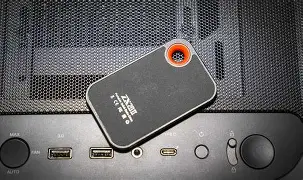
From an editorial perspective, the Zx20 Ii attempts to blend a small footprint with a consumer-friendly finish. The casing is aimed to be pocketable and light. Buyers typically care about cable quality, port placement, and whether the drive includes a protective sleeve—elements that affect daily use as much as raw speed. In many budget options, manufacturers trim accessories to keep costs down, so buyers should check what cables and adapters are included in the box.
Interface and compatibility
Most modern portable SSDs rely on USB-C and USB 3.2 Gen 2 controllers. The Zx20 Ii is marketed for broad compatibility, but the real considerations are:
- Does it support USB 3.2 Gen 2 (1×10 Gbps) or a slower USB 3.1 Gen 1 link? The host system’s port matters for top speeds.
- Is it plug-and-play with macOS and Windows, or does it require reformatting? Preformatted drives often use exFAT for cross-platform use but that can impact performance characteristics.
- Is there official support for Linux or game consoles like the PS5/Xbox? Console compatibility sometimes hinges on how the drive is formatted and whether it remains reliably fast under sustained loads.
Buyers planning to use the drive for console storage or as a direct camera offload should verify compatibility notes and, when possible, check independent user reports for the exact host platform.
Performance and thermal behavior
Advertised sequential speeds are one dimension; sustained write performance is another. NVMe-based portable SSDs can deliver very fast short-burst reads and writes, but when writing large files continuously, inexpensive thermal solutions or conservative firmware can lead to throttling. In practice that means a drive may copy a few gigabytes quickly but slow down during a 50–200 GB transfer.
For photographers and videographers who transfer large card dumps, sustained write rate and consistent performance are more valuable than peak numbers. The Zx20 Ii may hit attractive peak figures in spec sheets, but prospective buyers should consult independent benchmark tests (sustained write over tens of gigabytes) or user reports to see how it behaves under load.
Software, encryption, and firmware
Security-conscious buyers often want hardware-based encryption and a software package for password protection or firmware updates. Many mainstream portable SSDs ship with AES hardware encryption and vendor software to manage the drive. With lesser-known models, encryption may be absent, implemented in software, or present but unsupported across platforms.
Find top-rated Laptops & Computers products at great prices.
View Offers →Additionally, timely firmware updates can fix bugs or improve compatibility—something buyers rarely think to check before purchase. Netac’s update cadence and the ease of applying firmware patches on consumer systems are practical points to investigate if long-term reliability matters.
Warranty and support
Warranty terms and the responsiveness of after-sales support play an outsized role in the ownership experience. Big-brand SSDs typically come with multi-year warranties and wider service infrastructures. For a Netac model, warranty coverage might be adequate on paper but more limited in region-specific service processes. Verify the warranty term, where warranty service is honored, and whether local authorized service centers exist.
Real-world use cases and expected behavior
Different buyers use portable SSDs for different tasks. Here are practical expectations for the Zx20 Ii depending on the use case:
- Traveling professionals: Portability and reliability matter most. A pocket drive that disconnects or slows during backups is a liability; therefore, look for strong connectors and consistent firmware behavior.
- Content creators (photo/video): Sustained write speed, thermal throttling, and capacity are the priorities. For multi-hour shoots, a drive that slows after 10–20 GB is frustrating.
- Gamers: Fast installation times for large games are desirable. Compatibility with consoles and the drive’s ability to maintain performance during extended play are key.
- Everyday backups and file transfers: For occasional large transfers, advertised speeds matter less than total copy time and reliability over repeated use.
Pros & Cons
- Pros
- Compact, pocket-friendly form factor suited to mobile workflows.
- Typically priced competitively against mainstream brands, offering attractive cost per gigabyte in initial listings.
- Appeals to users who want high theoretical throughput for short bursts (file installs, single large file transfers).
- Cons
- Advertised speeds can be optimistic; sustained performance under real workloads may be lower due to thermal throttling or controller limits.
- Regional warranty and support can be inconsistent compared with large, established brands.
- Security features such as hardware AES encryption and cross-platform management software may be limited or absent.
- Firmware update tools and long-term software support may not be as robust, making future compatibility uncertain.
Comparison: Netac Zx20 Ii vs common alternatives
The table below summarizes high-level comparisons that buyers typically weigh. “Advertised speed” is listed as the manufacturer states it on product pages; real-world sustained speed and thermal performance should be confirmed via independent reviews.
| Model | Interface | Advertised Max Speed | Ruggedness / IP Rating | Encryption / Software | Warranty | Best for |
|---|---|---|---|---|---|---|
| Netac Zx20 Ii | USB-C (likely USB 3.x) | Manufacturer-advertised high sequential throughput | Consumer-grade (no widely-cited IP rating) | Limited / check vendor docs | Varies by region — verify before purchase | Budget-conscious users wanting portable speeds |
| Samsung T7 / T7 Shield | USB 3.2 Gen 2 | Up to ~1,050 MB/s (advertised) | T7 Shield: IP65 (dust/water resistance) | Hardware AES 256-bit, Samsung Magician software | Typically 3 years | Creators and professionals wanting reliable performance and strong support |
| Crucial X8 | USB 3.2 Gen 2 | Up to ~1,050 MB/s (advertised) | Rugged anodized body (no high IP rating) | Limited hardware encryption; Crucial provides firmware support | Typically 3 years | Everyday users who want a reliable mainstream performer |
| SanDisk / Western Digital Extreme Portable | USB 3.2 Gen 2 | Up to ~1,050 MB/s (advertised) | IP55/IP65 variants, drop-resistant | Software for password protection; some models with hardware encryption | Typically 5 years on some models | Outdoor and travel use where ingress protection is useful |
Buying guide: what to check before purchasing
When deciding whether the Netac Zx20 Ii is the right drive, consider the following checklist. These items reflect real buyer priorities and practical trade-offs.
1. Confirm the physical interface and host compatibility
Check whether the drive uses USB 3.2 Gen 2, Gen 1, or something else. If the buyer’s laptop or console has only USB-A or older USB-C ports, peak speeds will be limited. For macOS users, verify whether the drive is preformatted (often exFAT) and whether it will need reformatting for Time Machine or APFS use.
2. Look for independent sustained-performance reports
Seek benchmarks showing sustained write speeds over 10–100 GB transfers. Short-burst numbers can be misleading; the real test is how long the drive maintains throughput under continuous load. If independent reviews or user reports are scarce, factor uncertainty into the decision, or consider a better-documented alternative.
3. Evaluate heat management
Ask how the drive handles heat in extended sessions. Does it throttle quickly? Does it require a heat sink or special cable? Consider whether the drive will sit on a laptop or in a hot car—thermal throttling is a practical concern for content professionals.
Looking for the best Laptops & Computers deals on Amazon?
Browse Now →4. Check encryption and software features
If data protection is important, verify whether the drive supports AES hardware encryption and whether vendor software is available for the buyer’s OS. When software is Windows-only, macOS users may need third-party encryption solutions or to accept reduced convenience.
5. Inspect warranty and support channels
Confirm the length of the warranty and the process for service. Regional warranty limitations or lack of local service centers can turn an inexpensive drive into a risky purchase if it fails out of warranty.
6. Price per gigabyte and long-term value
Compare the price per GB to mainstream alternatives. Sometimes a slight premium for a Samsung, Crucial, or SanDisk model buys a more predictable experience and stronger support. For buyers sensitive to upfront cost but needing reliable performance, weigh short-term savings against potential replacement or data-recovery costs.
7. Real-world use-case match
Match the drive to the intended workflow. For fast photo transfers and editing on the go, prioritize sustained write speed and consistent behaviour. For occasional backups and light file transfer, a budget NVMe drive may be adequate. For console storage, verify specific compatibility with the console maker’s documentation.
Practical tips for maximizing value
- Always test the drive with a few large transfers before relying on it for critical data. Look for anomalies like disconnects or inconsistent throughput.
- Keep local backups; portable SSDs are convenient but not guaranteed storage—use them as part of a 3-2-1 backup strategy if data is important.
- Use short, high-quality cables. Some cheap cables limit current or data throughput, reducing performance.
- Monitor drive temperature during extended transfers; a warm drive is expected, but rapid throttling or disconnects indicates issues.
Conclusion
The Netac Zx20 Ii Portable SSD represents a class of budget-oriented external drives that promise high speeds and portability at an attractive price point. For buyers whose workflows require short bursts of fast throughput and who are comfortable tolerating potential inconsistencies, it can be a tempting option. However, for professionals and users who depend on consistent sustained performance, robust encryption, or strong regional support, the Zx20 Ii requires careful vetting.
Before buying, shoppers should verify the exact interface, confirm sustained write behavior through independent reviews or user reports, check warranty terms for their region, and consider how the drive fits into their backup strategy. In many cases, spending a bit more on a well-documented mainstream model will reduce risk and deliver a more predictable ownership experience. Armed with these checks and the real-world considerations outlined above, buyers can make a more informed choice and avoid surprises after purchase.